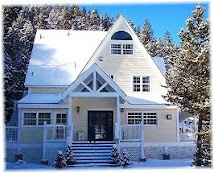
Thursday we had a snowstorm here in Denver, and it got me thinking about how many people seem to think Colorado weather means snow every other day and low, cold temperatures throughout the winter. Nothing could be further from the truth. We get more sunshine than almost any other city. The first year we were here, in February, there was snow one day—sunshine and 80 degrees the next!

The great thing about the snow here is that one day it snows, and usually within the next day or so, it's gone. It's true, Thursday was pretty dreary, with snow coming down sideways most of the day. Offices were closed; school was cancelled; and traffic was abysmal; but you could count the number of days of snow this winter on both hands. Despite the mini-blizzard on Thursday, this has been a very mild winter, and we can use the moisture that the snow brought.
 The first year we were here, I was shocked that people were out and about in shorts in the middle of winter. In Ohio, where I come from, there's no way you go running around outside in freezing temperatures in shorts, let alone bare feet. You can here, however. Our climate is classified as semi-arid, high plains desert. The dryness keeps the temperatures from feeling extremely hot or extremely cold, making this a very pleasant place to live (don't tell anybody—we're trying to keep it a secret).
  The picture above shows me clearing a path to the barbecue. The following picture shows me clearing the back porch after a bigger blizzard a few years ago.
The chef has successfully reached the barbecue.

The chef preparing to begin his wintertime barbecue after a storm a few years ago.

When we moved to Canada for a two-year tour of duty, some wag told us there were two seasons, winter and July! I would describe our Colorado weather as follows:
Temperate, with over 300 days of sunshine, some scattered snowstorms and the occasional blizzard.

When we moved to Canada for a two-year tour of duty, some wag told us there were two seasons, winter and July! I would describe our Colorado weather as follows:
Temperate, with over 300 days of sunshine, some scattered snowstorms and the occasional blizzard.
All in all, a great place to visit, and we do love living here.